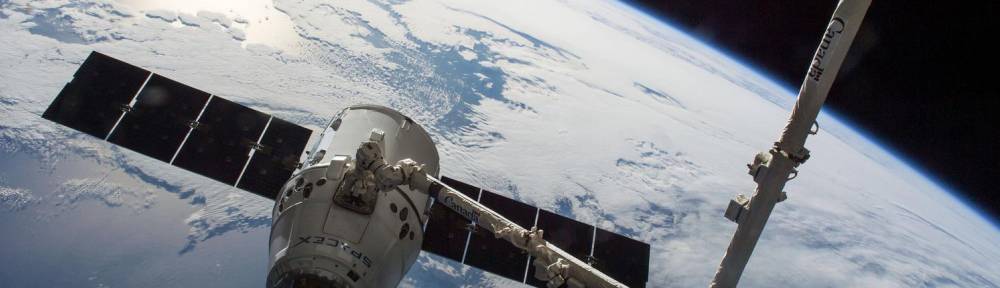
Lonestar-2 (AggieSAT-4 and BEVO-2) Launched from the International Space Station.
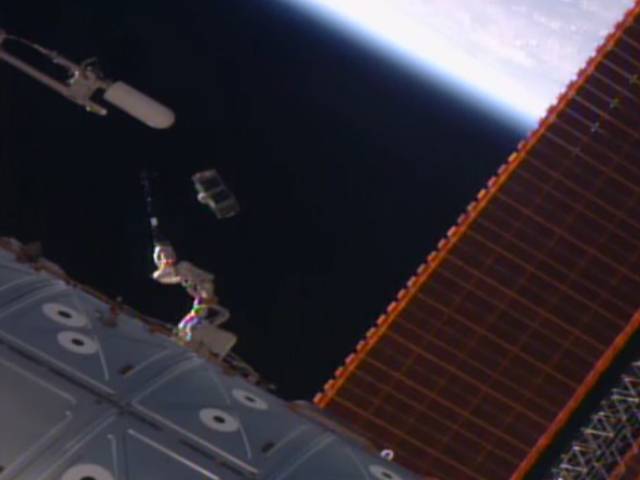
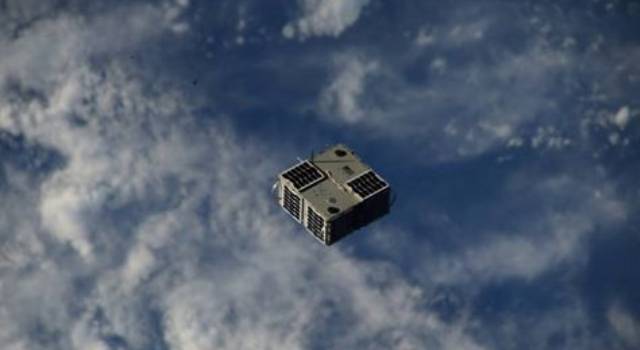
Source: Tim Peak on Flickr
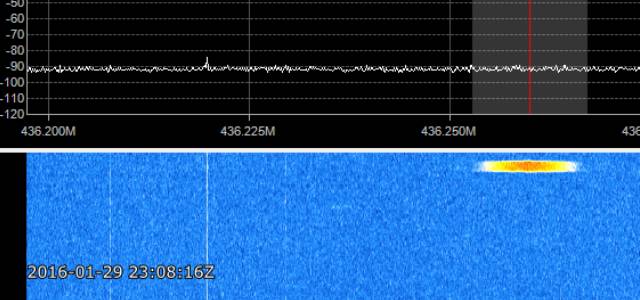
It was only on the fifth pass that I could receive signals from AggieSAT-4 on 436.250 MHz. Data is send with 9600 baud FSK and decoded with the help of UZ7HO HS sound-modem software.
   1 > C0 00 57 48 32 58 47 4E 6C 09 00 00 24 0E D8 0E DB DC 00 DB
  21 > DC 00 02 00 03 00 6A 02 02 00 01 00 02 00 00 00 00 00 00 00
  41 > 00 00 00 00 00 00 00 00 00 00 00 00 00 00 00 00 00 00 00 00
  61 > 00 00 00 00 00 00 00 00 00 00 00 00 00 00 00 00 00 00 00 00
  81 > 00 00 00 00 00 00 00 00 00 00 08 20 80 3A 00 00 00 00 00 00
 101 > DB DC 7F 00 00 DB DC 7F 00 00 DB DC 7F 37 0D 01 07 13 00 00
 121 > 00 68 68 68 68 DE 45 C0
 WH2XGN
At the moment if you want to receive AggieSAT-4, you can use the TLE data from ISS. The coming days a NORAD ID will be announced and this object will get his own TLE data.
0 LONESTAR
1 41313U 98067HP  16030.33672022 -.00000484  00000-0  00000+0 0  9993
2 41313  51.6476  30.4721 0005403  89.0857 271.0404 15.54324811    90
More information on AggieSAT-4 and the Texas A&M University can be found at the following URL: AggieSAT Lab