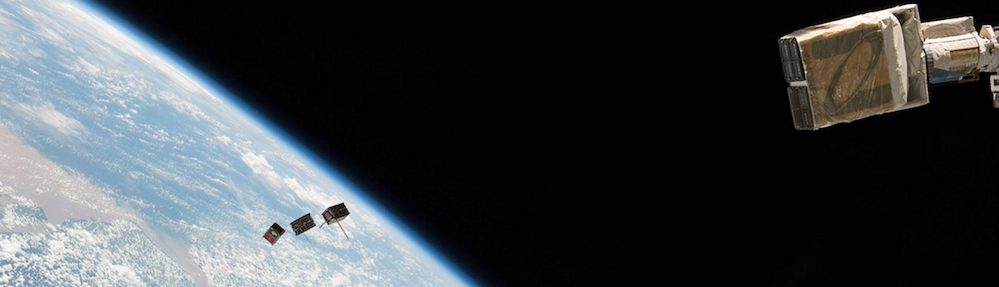
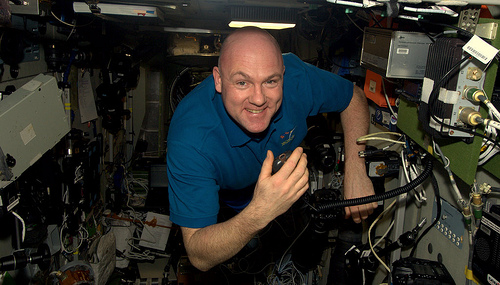
This evening PI9ISS (André Kuipers) was active from the ISS space station. The signal was loud and clear but there were many stations that wanted to make a connection so for me this time it wasn’t possible to make a connection. During the pass at 19:30 CEST we will give it another try.
Downlink
145.800 MHz (FM)
Uplink
145.200 FM MHz (FM)
Hi Andre,
I follow you from day one and am very enthusiastic about your work. Tell it to others and have only one goal coming months, make a qso with PI9ISS. Finally after studying hard which is not really my thing (I am more of a practical man) I got my license. My first goal is to make a QSO with the ISS. Well finally, you have time to be active with hamradio on the International Space Station. Hope to hear you soon! Kind regards and good luck I will continue to follow you.
Thetmar the PD5TW
Hi all,
Any recordings can be listened at the following link These are published with permission of the original owners of the recordings.
Hi André,
Heard you loud and clear yesterday and today 22.04.12 during the passes over Europe. Great to have HAM spirit in space! Unfortunately I could not reach you with my Vertical 12el log per antenna. I hope for more luck during the next passes. Good luck for your mission and we all hope that you still have some time for being on the air for us. Cive our regards to the whole crew vy73 de Thomas DG1TRF Hilgertshausen Germany loc JN58QK22NG = 11.3548E,48.4261N
Hi Andre,
evening 17-06-2012, 22:25.
Your report 5/5 strong modulation,
operator: Marek
callsign: OM8AXE, Slovakia.
Rig: Yaesu FT-8900
PWR: 50W,
ANT: Diamond X-30,
VY 73,55 Good luck